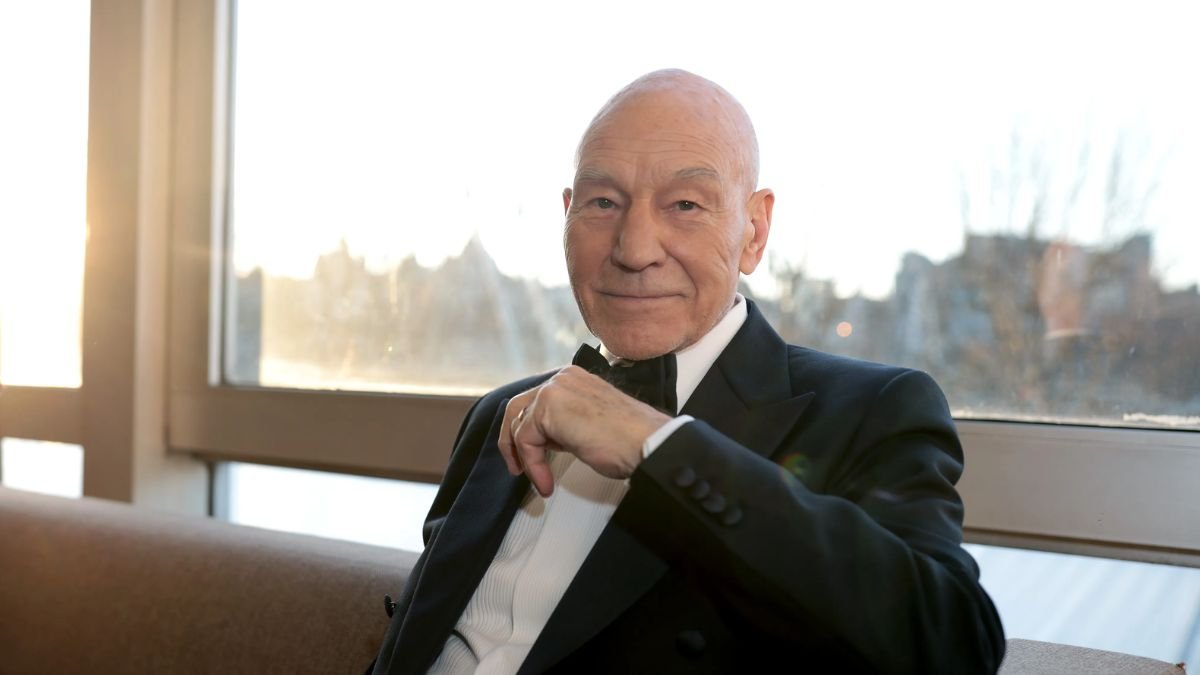
Patrick Stewart Religion: What Does the Star Trek Actor Believe?
Sir Patrick Stewart is widely recognized for his remarkable acting career, particularly for portraying Captain Jean-Luc Picard in Star Trek: The Next Generation and Professor Charles Xavier in the X-Men movies.
Beyond his work in entertainment, fans have also expressed interest in his personal beliefs, including his religious background. Patrick Stewart identifies as an atheist and a humanist rather than following Christianity or another organized religion.
The English actor has spoken publicly about his views on faith, spirituality, and the possibility of life after death. His position reflects a preference for reason, human dignity, and compassion instead of religious explanations of life.
Is Patrick Stewart an Atheist?
Yes. Patrick Stewart has publicly identified as an atheist. He does not consider himself a religious person and has expressed that he does not believe in God.
Although he grew up in England and attended Church of England schools during his childhood, his early exposure to Christian traditions did not result in a lasting religious commitment. As an adult, he developed a secular outlook and became comfortable discussing his lack of religious faith.
Stewart has also expressed disbelief in the concept of an afterlife. Rather than expecting another existence after death, his perspective places importance on the time people have in the present world.
His comments about religion have attracted attention because he is one of the most recognizable actors associated with the Star Trek franchise. The series frequently explores philosophical questions about humanity, morality, existence, and the future of civilization.
However, his personal beliefs should be understood separately from the fictional characters he portrays.
Patrick Stewart’s Connection to Humanism
Apart from identifying as an atheist, Stewart has a connection to the humanist movement. He has served as a patron of Humanists UK, an organization that promotes humanist values and a nonreligious approach to ethical living.
Humanism is based on the idea that people can build meaningful lives through reason, empathy, responsibility, and cooperation. It does not require belief in God or supernatural explanations.
For humanists, morality is not necessarily dependent on religious commandments. Instead, ethical decisions can be guided by human experiences, mutual respect, and concern for the well-being of others.
Stewart’s association with Humanists UK reflects his support for these principles. His involvement also highlights his interest in a society where individuals are free to think independently and make personal decisions about religion and philosophy.
His humanist outlook is consistent with his public emphasis on equality, compassion, and respect for human rights.
Does Patrick Stewart Believe in an Afterlife?
Patrick Stewart has expressed skepticism about life after death. His atheist beliefs are connected to his rejection of religious explanations involving an existence beyond the physical world.
Rather than focusing on what might happen after death, his outlook emphasizes the importance of living meaningfully and treating other people with kindness.
This perspective is consistent with secular humanism, which encourages individuals to make positive contributions during their lifetime.
What Religion Did Patrick Stewart Follow Growing Up?
Stewart attended Church of England schools as a child, exposing him to Christian education and traditions. However, attending religious schools does not necessarily mean someone maintains those beliefs throughout adulthood.
His publicly expressed views indicate that he does not follow Christianity today. He is better described as an atheist and humanist.
Overall, Patrick Stewart’s religious beliefs center on secular humanism, reason, and compassion. Although he does not identify with an organized religion, he supports the idea that people can live ethical, purposeful, and meaningful lives without religious faith.